
When the first iPhone hit the market in 2007, the idea of playing a game on a phone seemed quaint. Fast forward to 2024, and a single tap can launch a sprawling, graphically rich adventure that rivals console titles. The reason? Smartphones have become the most ubiquitous entertainment platform, and they are shaping how we think about play, social interaction, and even work.
Hardware Meets Artistry: Why Phones Are Now Game‑Ready
Modern phones now sport GPUs that can render 4K textures at 60 frames per second, a leap that was unimaginable a decade ago. The Snapdragon 8 Gen 2, for example, delivers 10 TFLOPs of raw power, enough to run titles like Genshin Impact with smooth performance on a 6.7‑inch display. Coupled with 12 GB of RAM and 256 GB of internal storage, developers can ship games that feel like full‑size releases without the need for a console.
Battery life has also improved. A 5000‑mAh battery can sustain a 90‑minute gaming session at 60 fps on most flagship models. That means you can play for a full commute or a lunch break without needing a charger. The trade‑off is that larger batteries add weight, so mid‑range phones balance power and portability better, often at a price point under $400.
Monetization Models That Fit a Pocket
Free‑to‑play with in‑app purchases remains the dominant revenue model, but the economics have shifted. Instead of one‑time microtransactions, many titles now offer “battle passes” that unlock cosmetic items over a season. A typical season lasts 8 weeks and costs $9.99, providing a predictable revenue stream for developers and a clear value proposition for players.
Advertising has also evolved. Native ads that blend into the game environment—think a billboard in a racing game—generate around $0.05 per click, compared to $0.15 for banner ads. Players report a less intrusive experience, which keeps engagement higher.
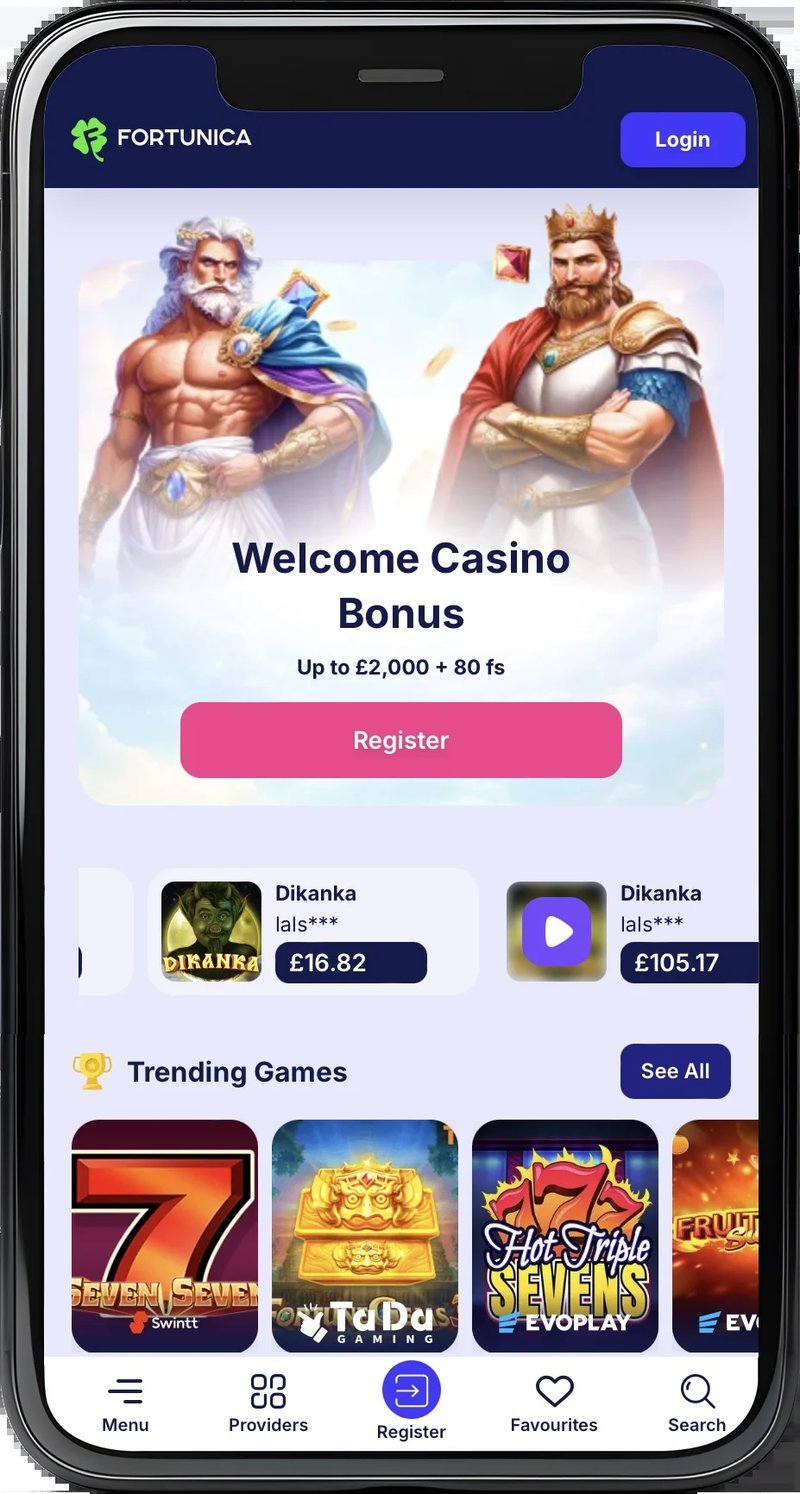
For players looking to combine skill and luck, the rise of mobile casino apps has made it easy to test your fortune on the go, and a popular choice is Fortunica.
Social Integration: Play, Share, Repeat
Social features are no longer optional. Built‑in multiplayer matchmaking now supports cross‑platform play. A player on an Android device can join a match with someone on iOS without a separate account. The result is a community that spans operating systems, reducing fragmentation.
Streaming is another layer. Services like Twitch now allow users to broadcast their mobile gameplay directly from the device. A single tap can start a stream, and viewers can interact via chat, which in turn can trigger in‑game events. This feedback loop turns casual play into a social spectacle.
From Casual to Competitive: The eSports Surge
Competitive mobile titles such as Call of Duty: Mobile and Mobile Legends now host tournaments with prize pools exceeding $1 million. The infrastructure—low‑latency servers, dedicated arenas—has been built to support high‑stakes play. In 2023, the Mobile Legends World Championship drew 200,000 concurrent viewers, a record for a mobile esports event.
However, the competitive scene can be unforgiving. Players who cannot afford a top‑tier device may find themselves at a disadvantage, as higher resolution and smoother frame rates translate to better reaction times.
Beyond Gaming: A Broader Entertainment Ecosystem
Smartphones are no longer just for games. Streaming apps, virtual reality experiences, and even fitness trackers integrate gamified elements. A workout app might reward you with a virtual badge for completing a 10‑minute session, nudging you toward consistency. The line between “play” and “work” is blurring, and smartphones sit at the center of that shift.
Bridge to the Online World
For those who enjoy the thrill of competition but prefer the comfort of their own space, online gaming platforms offer a seamless transition. One such platform, Fortunica, blends casual and competitive titles with a community‑focused approach, making it a natural extension of the mobile gaming experience.
Looking Ahead: What’s Next?
5G rollout is already delivering sub‑10‑millisecond latency, which will make real‑time multiplayer smoother than ever. Foldable screens could double the real estate for immersive gameplay, while AI‑driven NPCs promise smarter, more responsive enemies. These developments suggest that the mobile gaming boom is far from plateauing.
Conclusion: A Pocket‑Sized Future
Smartphones have moved from a convenient sidekick to the primary canvas for entertainment. Their hardware, monetization strategies, and social integrations have created a robust ecosystem that rivals traditional consoles. While challenges like device inequality and ad fatigue remain, the trend points toward an increasingly mobile‑centric future where a game can be anywhere you are, anytime you choose.
Frequently Asked Questions
Why are smartphones now considered game‑ready?
Modern phones boast GPUs capable of rendering 4K textures at 60fps, making them competitive with console hardware.
How has mobile gaming changed social interaction?
Players can connect, share achievements, and collaborate in real time, turning phones into social hubs beyond just entertainment.